
What the Check Engine Light Really Means (And What to Do First)
What the Check Engine Light Really Means
Few things make drivers more anxious than the check engine light. It can appear suddenly, stay on for days, or flash without warning—often with no obvious change in how the car feels.
Despite how common it is, the check engine light is widely misunderstood. It does not automatically mean a major repair, and it does not tell you exactly what part has failed.
What it does mean is that your vehicle has detected something outside normal operating conditions—and it’s asking for attention.
What the Check Engine Light Is
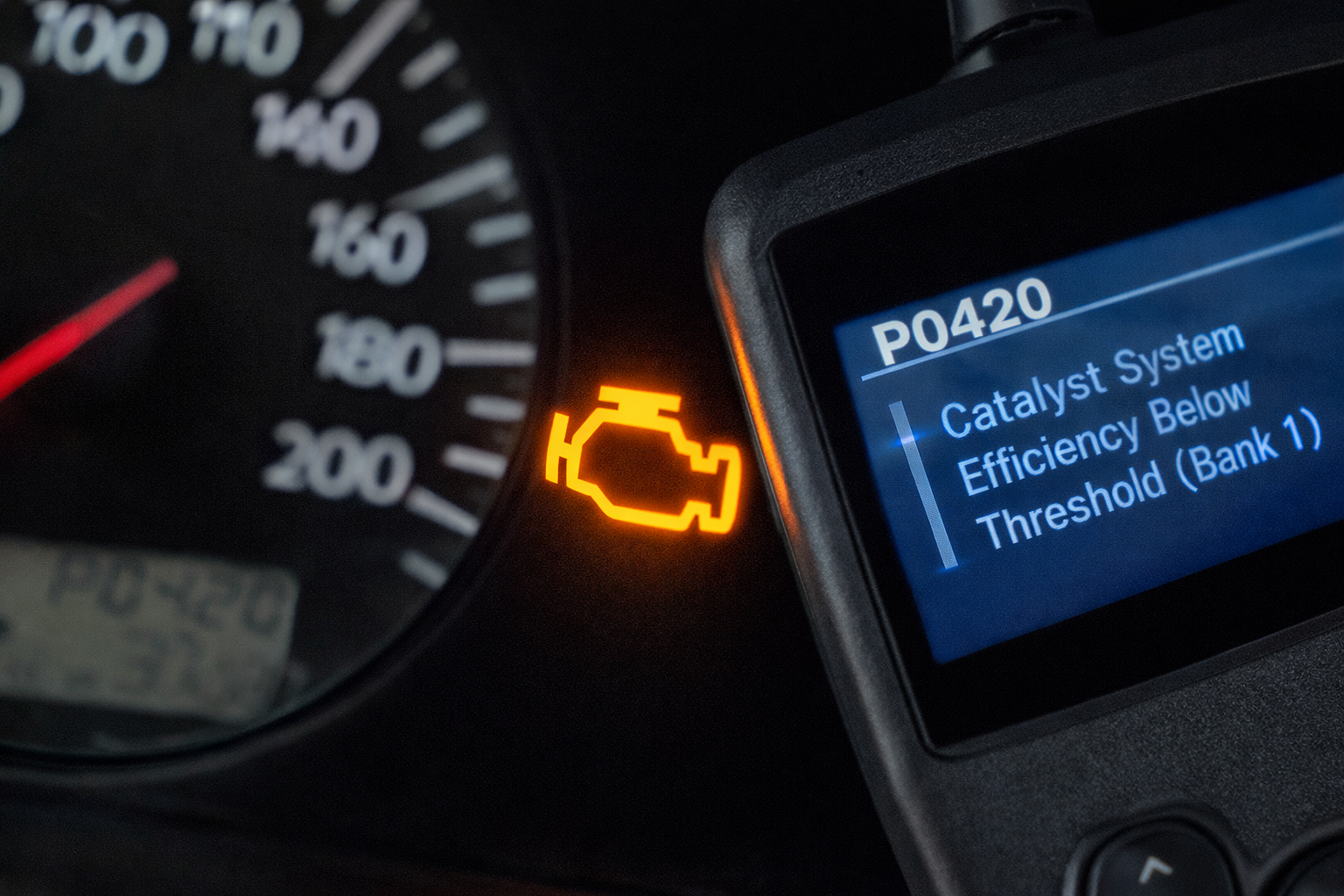
The check engine light is part of your vehicle’s onboard diagnostics system. When a sensor detects an issue related to emissions, engine performance, or related systems, the computer stores a diagnostic trouble code and turns the light on.
Think of the light as a notification, not a diagnosis.
It tells you:
- A system is reporting abnormal data
- A diagnostic code has been stored
- Further investigation is needed
Solid Light vs Flashing Light (This Matters)
How the light behaves is critical.
A solid check engine light usually means:
- A non-emergency issue
- Reduced efficiency or increased emissions
- The car can often be driven short distances safely
A flashing check engine light usually means:
- An active engine misfire
- Potential damage to the catalytic converter
- You should stop driving as soon as safely possible
Flashing lights should never be ignored.
Common Reasons the Check Engine Light Turns On
Some causes are simple. Others are more serious.
Common examples include:
- Loose or faulty gas cap
- Failing oxygen sensor
- Misfiring spark plug or ignition coil
- Mass airflow sensor issues
- Evaporative emissions leaks
- Catalytic converter efficiency problems
The same light can indicate dozens of different conditions, which is why guessing is expensive.
Can You Drive With the Check Engine Light On?
Sometimes yes. Sometimes no.
You may be able to drive temporarily if:
- The light is solid
- The car feels normal
- No unusual noises or smells are present
You should avoid driving if:
- The light is flashing
- The engine runs rough
- Power is reduced
- There is a strong fuel or burning smell
When in doubt, err on the side of caution.
Why Ignoring the Light Costs More Later
Small issues often trigger the check engine light first. Ignoring them can lead to:
- Secondary component failures
- Reduced fuel economy
- Emissions system damage
- More expensive repairs later
The light exists to catch problems early—before they become major.
What to Do First When the Light Comes On
Start with simple checks:
- Make sure the gas cap is tight
- Note when the light appears (cold start, acceleration, idle)
- Pay attention to changes in performance
- Listen for new noises or smells
Next, retrieve the diagnostic code using:
- A basic OBD2 scanner
- A parts store scan (often free)
- A personal scan tool for ongoing use
The code narrows down the system involved, which is the first step toward proper diagnosis.
Why the Code Is Not the Final Answer
A diagnostic code tells you where to look, not what to replace.
For example:
- A code may indicate a sensor reading is out of range
- The sensor itself may be fine
- The issue could be wiring, vacuum leaks, or mechanical problems
Replacing parts without testing often leads to repeat visits and wasted money.
When to See a Mechanic
You should consult a professional if:
- Multiple codes appear
- The problem returns after repair
- Electrical testing is required
- The light is flashing
- You’re unsure how to proceed safely
A good mechanic will confirm the cause before replacing parts.
The Bottom Line
The check engine light is not an emergency alarm—but it is not something to ignore.
Understanding what it means, how serious it is, and what steps to take first can save you money, time, and stress. Diagnosis always comes before repair.
If you want to make smarter decisions about your vehicle, the check engine light is the place to start.


