
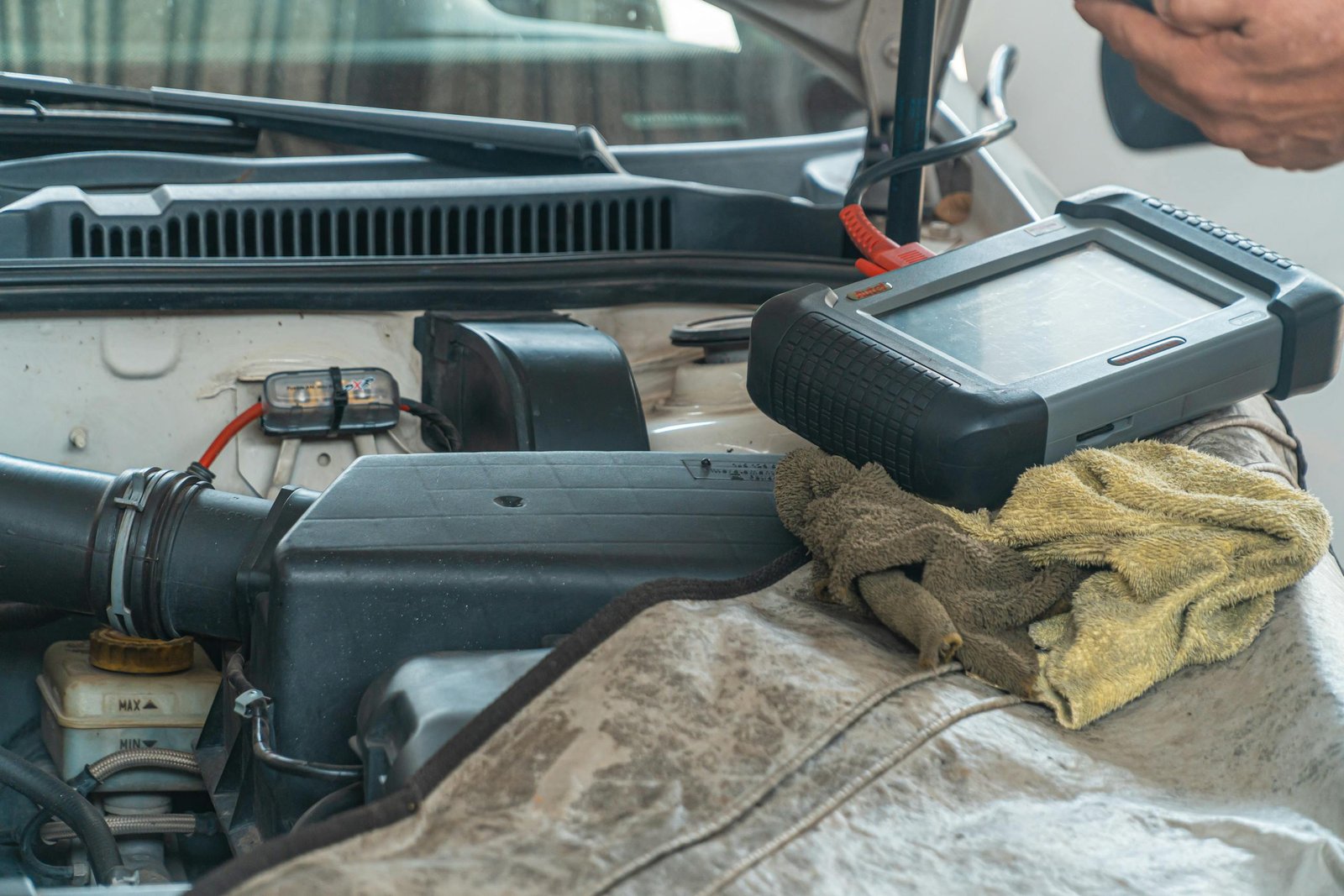
Car Diagnostics Explained: How to Identify Problems Before Paying a Mechanic
How to Identify Problems Before Paying a Mechanic
Car problems rarely start with a clear answer. A light turns on. A noise appears. Something feels “off.”
At that moment, most drivers face the same problem: they don’t know what’s actually wrong, but they’re expected to make a repair decision anyway.
That’s where car diagnostics matter.
Experienced mechanics—and trusted automotive educators like Scotty Kilmer and ChrisFix—consistently emphasize one principle above all others:
Never replace parts until you understand the problem.
This guide explains how car diagnostics really work, what you can diagnose yourself, and how to avoid paying for unnecessary repairs.
What Car Diagnostics Actually Means
Car diagnostics is the process of identifying why a problem is happening—not just what part seems related.
A good diagnosis answers three questions:
- What symptoms is the vehicle showing?
- What systems could cause those symptoms?
- What evidence confirms the root cause?
Replacing parts without diagnosis is guessing. Guessing is expensive.
Symptoms vs Causes (The Most Common Mistake)
One of the biggest mistakes car owners make is confusing symptoms with causes.
For example:
- A dead battery is a symptom
- A failing alternator may be the cause
Replacing the battery alone won’t fix the problem if the alternator isn’t charging it.
Experienced mechanics diagnose systems, not just parts. This approach saves time, money, and frustration.
Warning Lights Are Information, Not Instructions
Modern cars are full of sensors. When something goes wrong, the vehicle often tells you—just not in plain language.
The most common example is the check engine light.
A warning light:
- Does NOT automatically mean a major repair
- DOES mean the vehicle detected an abnormal condition
- Stores diagnostic trouble codes that explain where to look
Ignoring warning lights can turn small issues into expensive ones, but panicking leads to unnecessary repairs.
Understanding what the light represents is the first step in diagnosis.
What You Can Diagnose Yourself (Even as a Beginner)
You don’t need to be a mechanic to perform basic diagnostics.
Many problems can be narrowed down with:
- Observation
- Pattern recognition
- Simple tests
- Basic diagnostic tools
Common issues you can often diagnose at home:
- Battery vs alternator problems
- Loose gas caps triggering warning lights
- Misfires caused by spark plugs or coils
- Vacuum leaks
- Sensor-related warning lights
The key is methodical checking, not rushing to conclusions.
The Role of OBD2 Scanners in Diagnostics
Since 1996, most vehicles use the OBD2 system. This system records fault codes whenever the car detects an abnormal condition.
An OBD2 scanner:
- Reads diagnostic trouble codes
- Shows which system detected a problem
- Helps narrow the issue to a circuit or component
What scanners do NOT do:
- They do not automatically identify the failed part
- They do not guarantee the correct repair
- They do not replace proper testing
Professional mechanics use scan tools as starting points, not final answers.
When a Diagnostic Scan Is Enough (And When It Isn’t)
A basic scan is often enough when:
- The problem is intermittent
- The code clearly points to a common failure
- The symptom matches the code
Further testing is required when:
- Multiple codes appear
- Symptoms don’t match the code
- The problem returns after repair
- Electrical issues are involved
Good diagnostics follow logic, not shortcuts.
Sounds, Smells, and Feel: Old-School Diagnostics Still Matter
Even with modern technology, experienced mechanics still rely on human senses.
Pay attention to:
- Noises (clicking, grinding, knocking)
- Smells (burning, fuel, sulfur)
- Vibration
- Changes in performance
These clues often reveal problems before a scan tool does.
Many automotive educators emphasize this because technology supports diagnostics—it doesn’t replace judgment.
What Diagnostics Can Save You (Real-World Impact)
Proper diagnostics can:
- Prevent unnecessary part replacements
- Avoid repeated repair visits
- Reduce labor costs
- Help you communicate clearly with mechanics
- Protect you from misdiagnosis
Understanding the problem before approving repairs gives you leverage and confidence.
When You Should Stop Diagnosing and See a Professional
DIY diagnostics have limits.
You should stop and seek professional help if:
- The repair involves safety systems
- Specialized tools are required
- Electrical testing becomes complex
- You’re unsure how to proceed safely
Good diagnostics include knowing when not to continue.
How Automotivemech Approaches Diagnostics
At Automotivemech, we follow the same philosophy shared by experienced technicians and educators:
- Diagnose before repairing
- Verify before replacing
- Explain before recommending
Our guides focus on:
- Understanding symptoms
- Identifying likely causes
- Using tools responsibly
- Knowing when professional help is needed
Next Steps
If you’re experiencing a problem with your vehicle, start here:
- Identify the symptoms
- Learn what systems are involved
- Use diagnostic tools appropriately
- Avoid guessing
From here, you can explore:
- Check engine light explanations
- Common car problems and symptoms
- OBD2 scanner guides
- Repair decision guides
Understanding your car is the first step toward fixing it correctly.


